Same words. Different instincts.
A communication style assessment for real workdays.
One person wants the headline. Another wants the reasoning. Neither necessarily wants another meeting. This quiz helps you name those differences before they become friction.
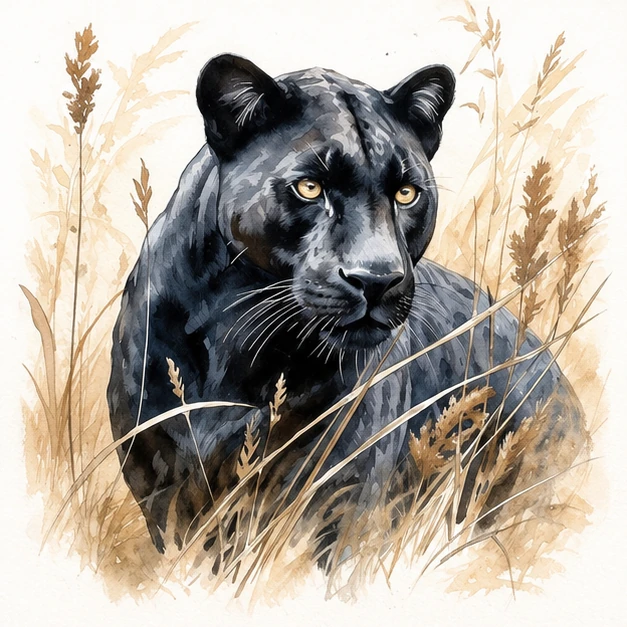
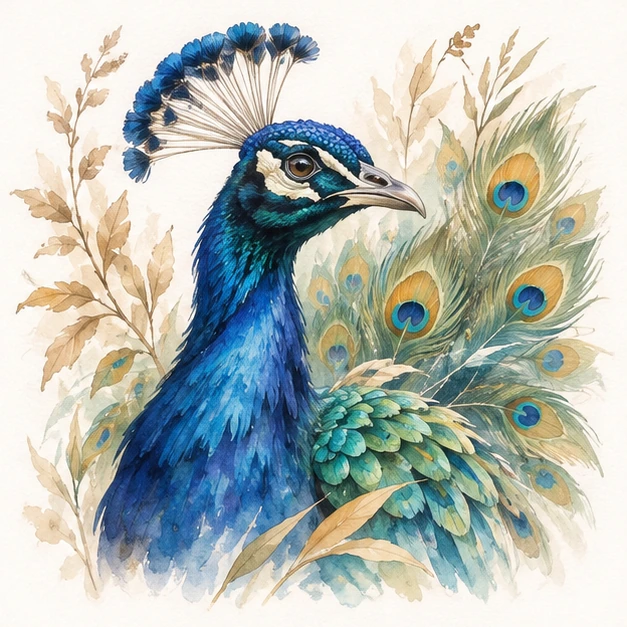
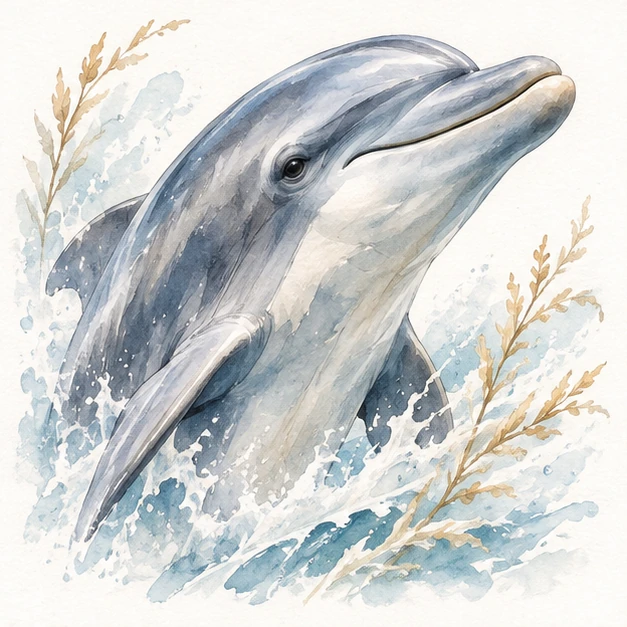
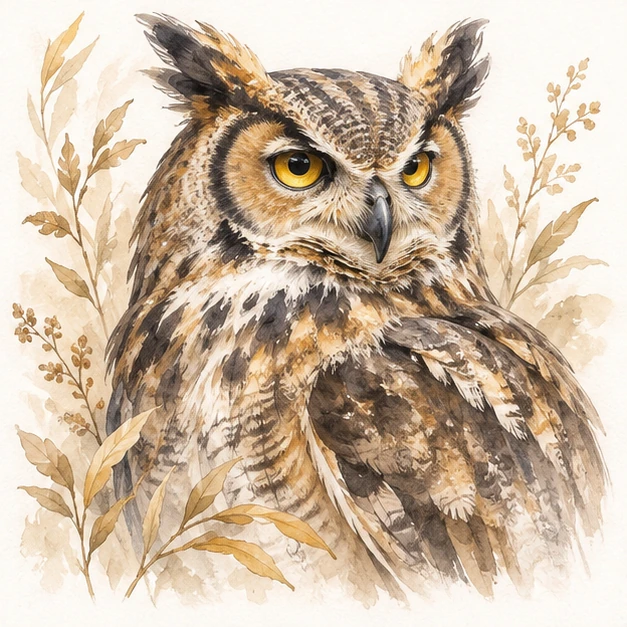
What are the four communication styles?
Panther brings direct, deliberate communication. Peacock is direct and spontaneous. Dolphin is indirect and spontaneous. Owl is indirect and deliberate. These are prompts for reflection, not rigid categories or measures of competence.
How can you use a result in a conversation?
Ask a colleague how they prefer to receive context, decisions, and feedback. Compare that answer with your own habits. Agree on one small adjustment: a headline first, a written brief, thinking time, or a genuine check-in.
Why look at the whole mix?
Your primary and secondary animal labels are only shorthand. Closely clustered choices suggest several preferences are in play; a more pronounced lead calls for different wording. Context still matters more than the label.
A few good questions.
What is Team Instincts?
Team Instincts is an original, animal-based framework for reflecting on workplace communication. Panther, Peacock, Dolphin, and Owl give people a shared language for discussing preferences, strengths, and friction.
What is the difference between Modern and Classic?
Modern uses 20 original workplace situations and takes about 4–5 minutes. Classic uses 14 casual communication categories and takes about 2–3 minutes. They have distinct result identities and their numeric scores are not interchangeable.
Can I compare results with a coworker?
Yes. Share your result link or paste two result links on Compare our animals to explore communication themes and practical agreements. There are no compatibility scores.
Is this test scientifically validated?
No. This original framework has not been validated as a psychometric instrument. Use it for self-reflection and team conversations, never hiring, diagnosis, or predicting performance.