Four instincts. One team.
A team personality test that starts a conversation, not a ranking.
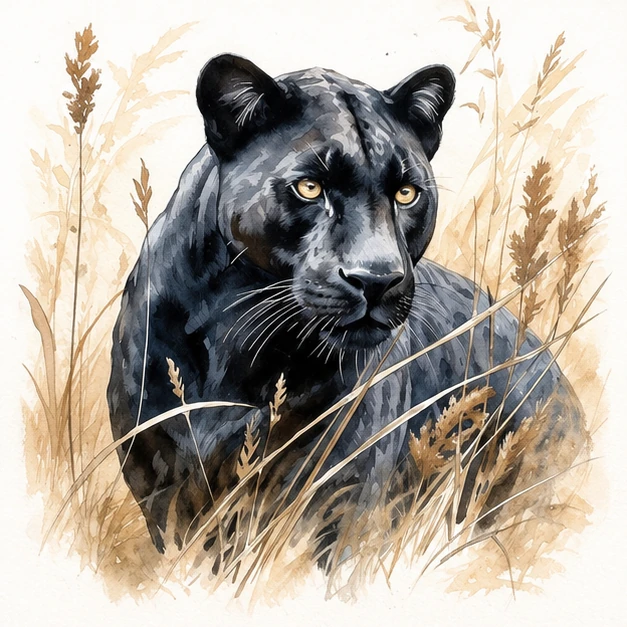
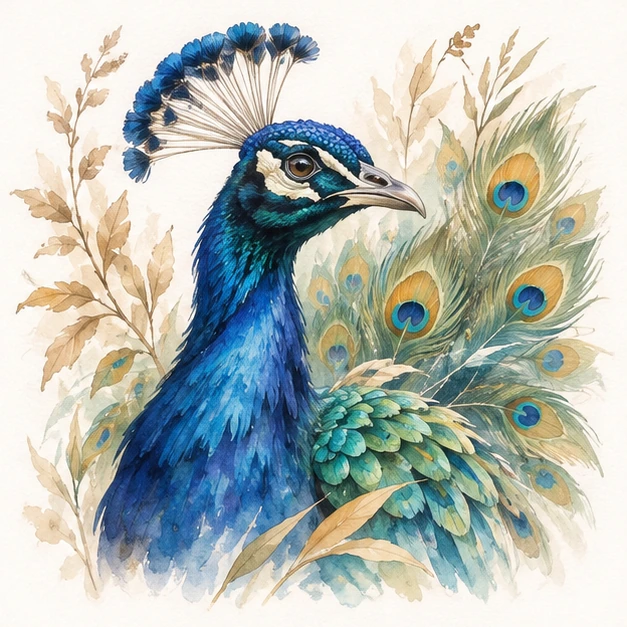
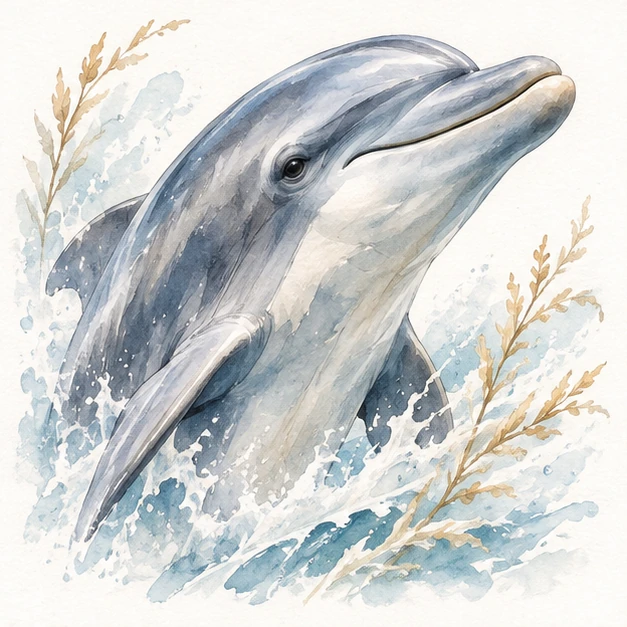
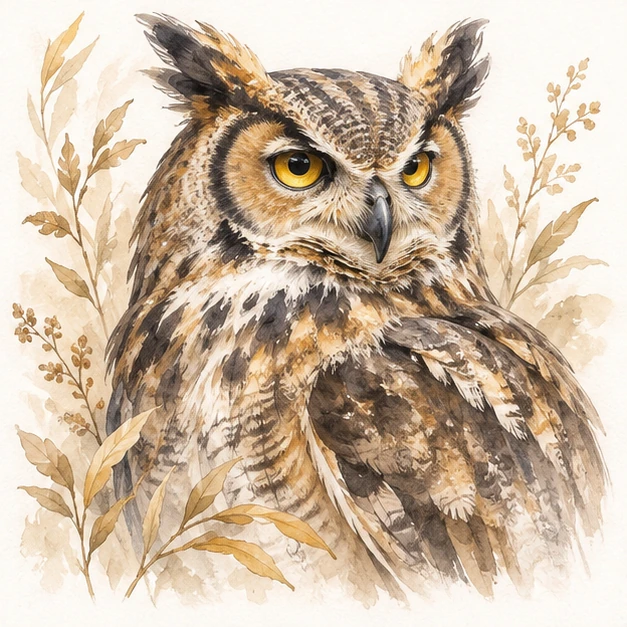
Give your team a simple language for discussing how you work together. Participation is optional. Different animals are different perspectives—not better or worse employees.
How does a team use Team Instincts?
An organizer creates a free team, names it, adds an optional description, and shares a secure, revocable invitation. Coworkers take the recommended Modern assessment or connect an existing result, then choose whether to share their name and aggregate animal counts. No member account is needed. Current consented participants can explore the private team workspace and withdraw their profile at any time.
What does Team Intelligence show?
Version-separated animal distributions, collective strengths, possible blind spots, communication dynamics, decision-making prompts, and observable growth habits. Deterministic aggregation comes first; optional AI synthesis uses anonymous aggregates, never questionnaire answers. Small and partially participating teams are described as a partial picture, not a complete assessment of the group.
How do insights become better collaboration?
Explore two shared profiles with the Team Collaboration Matrix, try Meet Your Animals or How to Work With Me in a staff meeting, and agree three habits for the next 30 days. The organizer can edit and save a six-part Team Working Agreement for participants, copy its text, or use the branded Team Report print view to save a PDF. These are conversation tools, not measures of team effectiveness.
What should you talk about in the debrief?
Ask each person what felt familiar, what felt less accurate, and one thing they wish colleagues understood. Then agree on how you will make decisions, share context, and raise concerns. An animal label should never replace a person’s own explanation.
What should teams avoid?
Do not use these results for selection, promotion, performance prediction, or labeling someone a poor fit. Do not pressure people to join. Discuss communication themes across assessment versions rather than comparing their numerical scores.
A few good questions.
Can teams use it?
Yes. An organizer can create a team and invite coworkers. Joining is optional and requires consent to share animal totals. Individual questionnaire answers are not shared.
Is this test scientifically validated?
No. This original framework has not been validated as a psychometric instrument. Use it for self-reflection and team conversations, never hiring, diagnosis, or predicting performance.
What is the difference between Modern and Classic?
Modern uses 20 original workplace situations and takes about 4–5 minutes. Classic uses 14 casual communication categories and takes about 2–3 minutes. They have distinct result identities and their numeric scores are not interchangeable.
Can I compare results with a coworker?
Yes. Share your result link or paste two result links on Compare our animals to explore communication themes and practical agreements. There are no compatibility scores.